Acropolis at Sunset: The Real History

Acropolis at Sunset: The Real History

Why the Acropolis at Sunset Is More Than Just a Pretty Picture: The Story Nobody Tells You

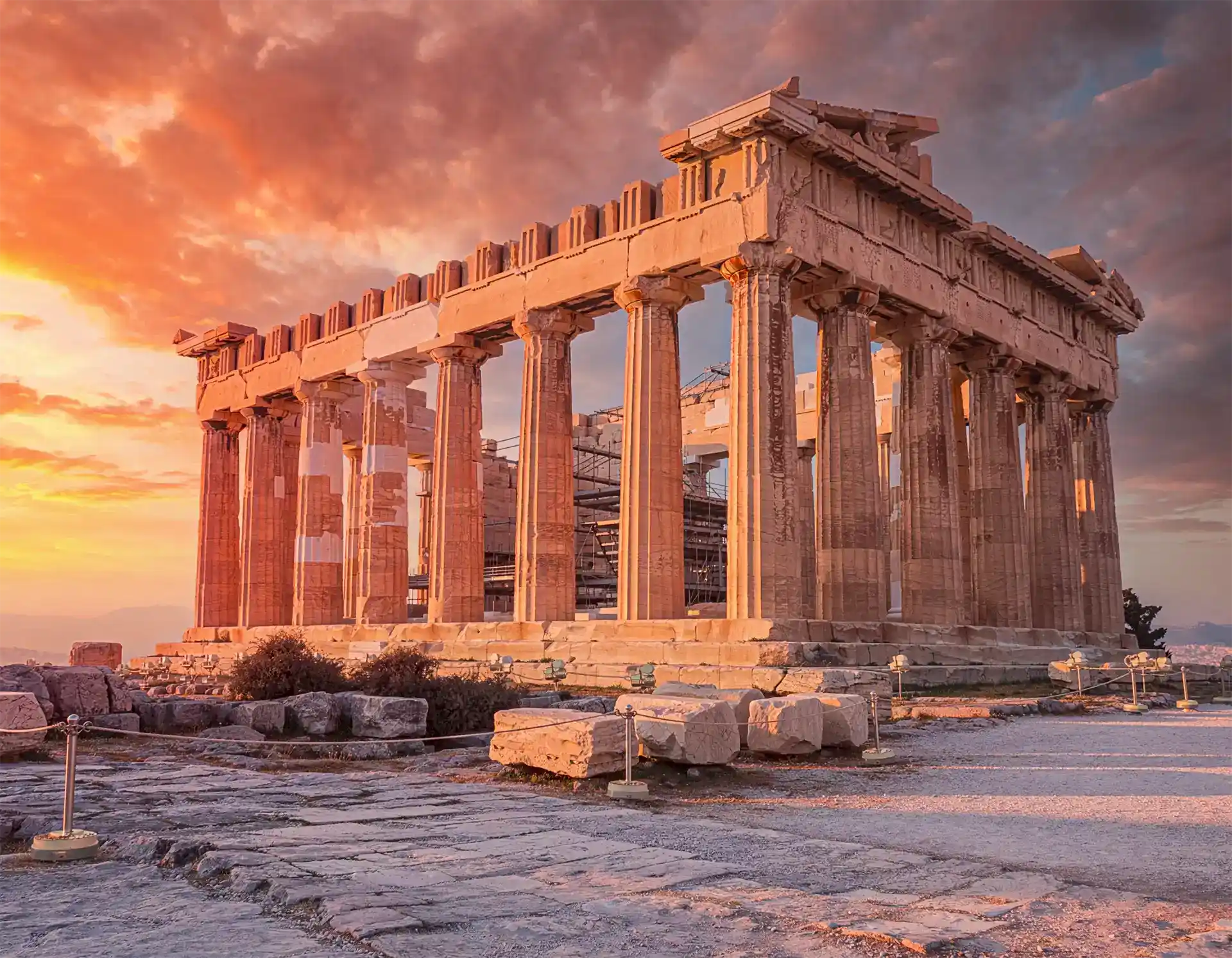
Everybody will tell you the exact same thing: ‘head up to the Acropolis at sunset, the light is mind-blowing.’ And they’re right. But if you stop there, you’re missing what really matters. That golden glow in all those Instagram photos isn’t a coincidence, and it isn’t just nice to look at: it’s the very same light that’s been washing over those stones for almost 2,500 years. And there’s a very clear reason why the ancient Greeks designed the Parthenon to do precisely that.

Let us tell you the story—because it’s something you really ought to know before heading up.

A Temple Built for Sunset

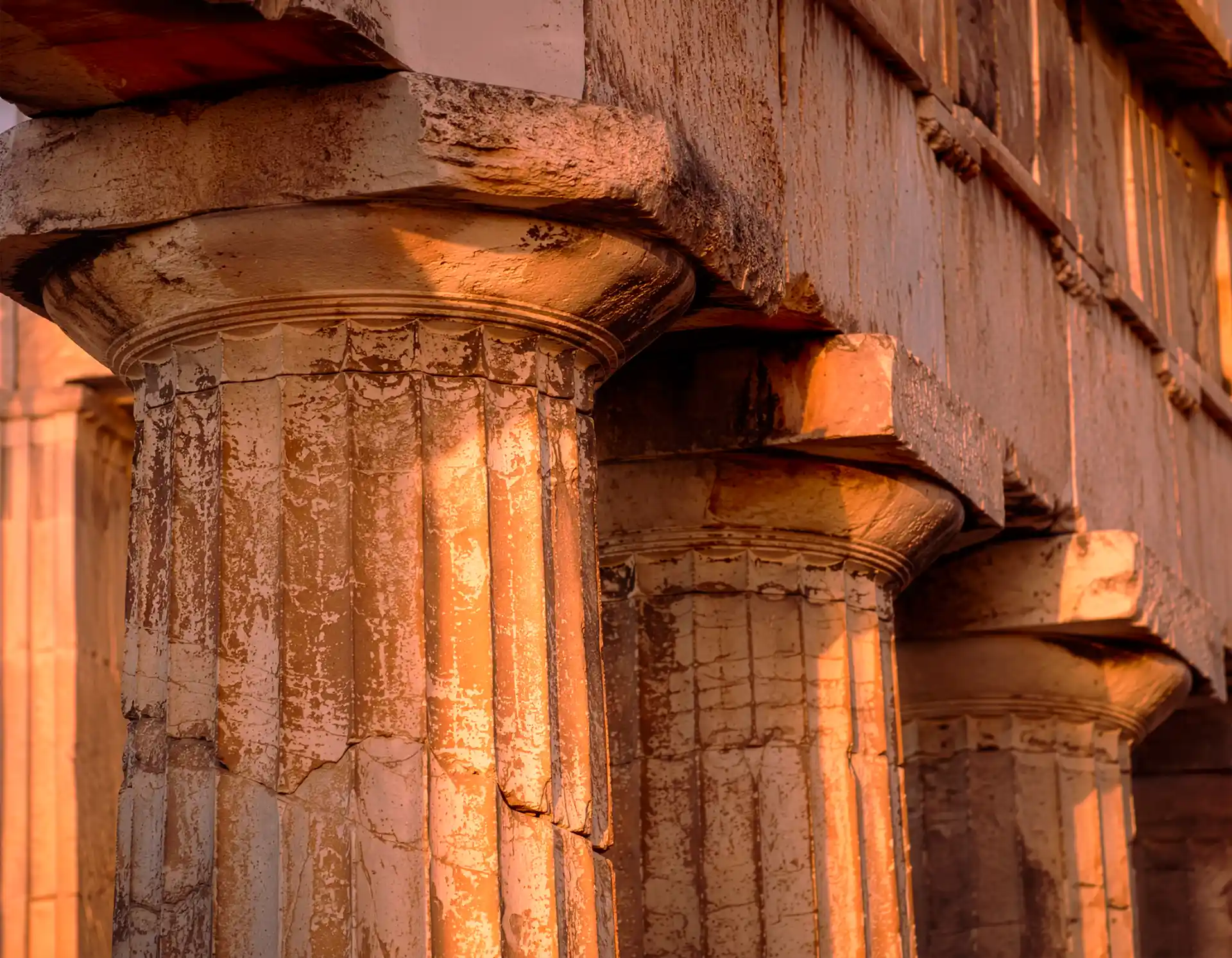
The Parthenon wasn’t oriented by chance. It was built facing east, aligned so that at certain times of the year, the light shines directly through its main facade. And in the afternoons, as the sun begins to set over the Aegean Sea, the Pentelic marble it was built with—a marble containing tiny iron crystals—begins to react with the light, changing color: shifting from white to gold, and from gold to an almost impossible pink, before fading away completely.

This isn’t an effect 'discovered' by modern tourists. The architects who designed it, Ictinus and Callicrates, under the supervision of Phidias, knew exactly what they were doing. In ancient Athens, the Acropolis wasn’t an open-air museum: it was the religious and political heart of the city, and everything about it—even the light that bathed it—was meant to inspire awe. They wanted anyone who made the climb to feel they were stepping onto sacred ground. And believe us: even 25 centuries later, when you're standing up there at that time of day, you still feel it.

What You’re Really Looking At When You View the Parthenon

It’s easy to look at the Parthenon as just a pretty set of ruins. But what you have in front of you was, for centuries, the temple dedicated to Athena Parthenos, the city’s patron goddess, and inside there was once a nearly 12-meter statue of her covered in gold and ivory. That temple survived earthquakes, a fire, being used by the Ottomans as a gunpowder magazine—which ultimately destroyed a large part of its structure in 1687—and centuries of looting. And it’s still standing. When you see it at sunset, you’re not just looking at a well-preserved ancient site. You’re looking at what survived. And to us, that completely changes how you look at it.

Acropolis at Sunset: The Real History

Why We Insist So Much on Sunset Over Any Other Time

We’ll be completely honest: we could sell you this tour at any time of day and it would be just as easy to organize. But it wouldn’t be the same, and we don’t want to sell you something we don't truly believe in. At midday, the Acropolis is at its hottest, most crowded, and covered in a flat light that simply doesn't do the marble justice. At sunset, on the other hand, the crowds gradually thin out, the temperature drops, and you get those last 40 to 50 minutes where the light does precisely what we talked about above.

It’s the difference between visiting a monument and experiencing a moment that stays with you forever.

What you need to know before you go

What is the best time to go up to the Acropolis at sunset?

It depends on the time of year, because sunset times change. In general, we recommend entering between an hour and a half and two hours before the official sunset time for the day, giving you enough time to explore the site at a relaxed pace and reach a great spot just as the light begins to fade.

How long does the tour last?

Our Acropolis and Parthenon Sunset Tour lasts 2 hours, designed to let you enjoy everything without rushing and without missing the main light show.

Do you need to book in advance?

Yes, especially during peak season (May–September). Entry to the Acropolis has limited capacity, and the late afternoon slots are the first to sell out because everyone wants the exact same experience as you.

Is it worth going with a guide instead of on your own?

Our honest opinion: for the Parthenon, yes, absolutely. What makes this site special isn't just the stones, it's the history behind them—what we just told you is only a tiny fraction of it. A guide gives you context at the exact moment you're looking at each column, something no information board will ever give you.

Our honest recommendation

If you’re only going to do one tour in Athens, make it this one. Not to sell you on something, but because after taking hundreds of travelers up there, we still see the exact same reaction every time the sun starts to set: people go quiet. And in a world where almost nothing leaves us speechless, that says a lot.

If you want to experience it for yourself, here are all the details of our

Acropolis and Parthenon Sunset Tour.